Poker Errors That Cost Consistent Profits
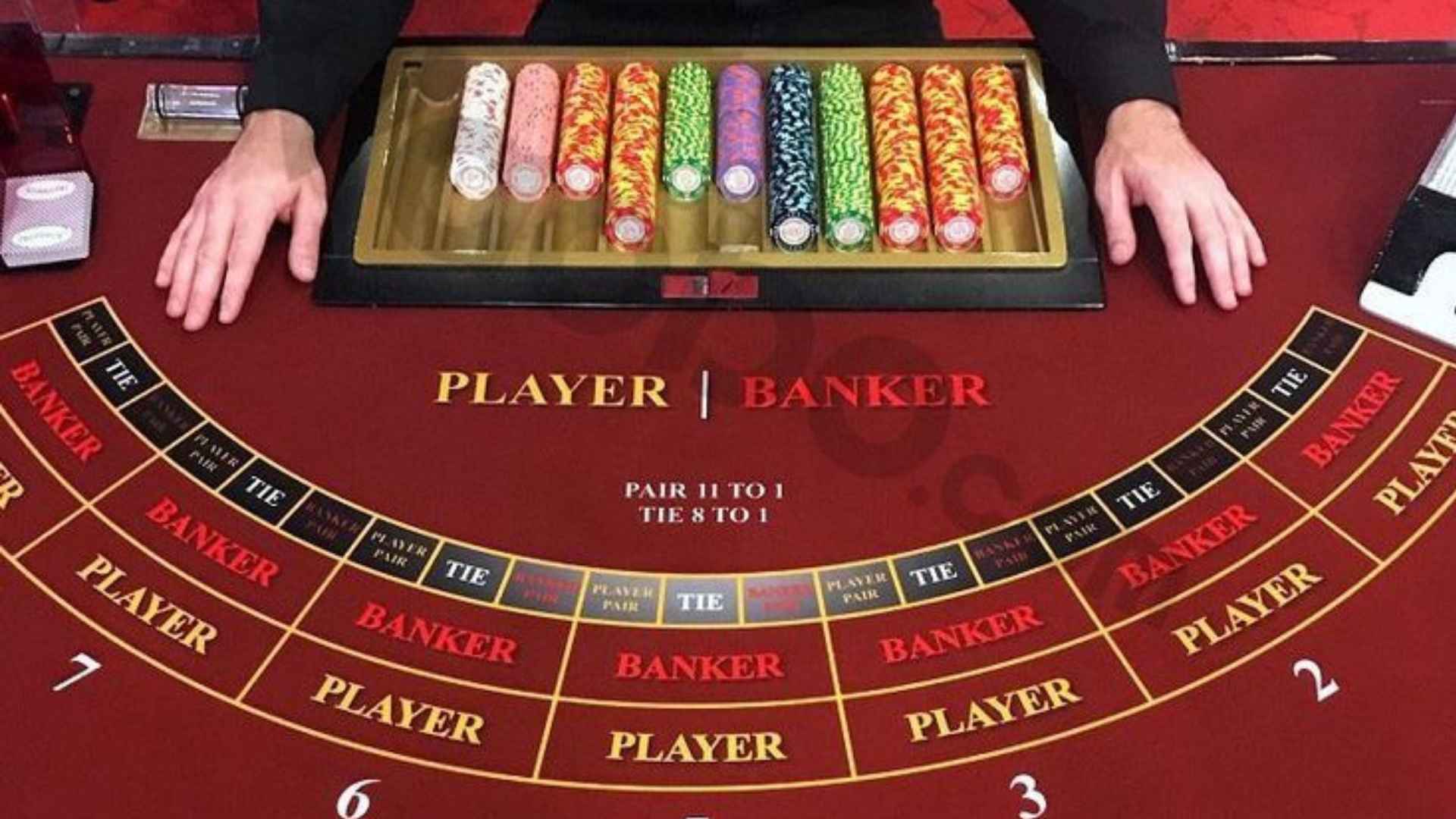
Achieving sustainable success at the poker table requires much more than just understanding the basic hierarchy of card combinations and betting rules. Many dedicated players find themselves wondering why their win rates stagnate despite putting in numerous hours of intense practice. The reality is that minor, repetitive tactical flaws often drain a player's chips before they can realize their true competitive advantage over the field.
Mismanaging the Table Bankroll
A primary trap that quietly erodes a player's profitability is failing to separate emotional urges from strict financial discipline. Treating your gaming funds carelessly creates unnecessary psychological stress that directly interferes with clear, objective decision-making during high-pressure situations. Without a structured cushion to absorb the natural variance of the card distribution, even highly skilled individuals run the risk of sudden ruin.
Maintaining long-term discipline requires setting firm limits on the specific stakes you choose to enter every session. When you want to explore professional sports insights or analyze complex competitive trends safely, visiting a trusted reference platform like Msports can offer excellent contextual value. Keeping your strategy grounded in mathematical realities ensures you survive unavoidable downswings and protect your capital.
Failing to Adapt to Table Positions
Another costly misstep that consistently limits a player's earnings involves ignoring the profound tactical power of table position. Acting early in a betting round forces you to operate with minimal data regarding what your opponents intend to do behind you. Passively entering pots from disadvantageous seats consistently leaves you vulnerable to aggressive counters from seasoned competitors.
Profitable players consciously narrow their starting card requirements when forced to act first in a hand. They understand that late position provides the immense freedom to control the ultimate size of the pot based on prior actions. Shifting your aggression to moments when you possess positional leverage will immediately protect your chip stack from unnecessary leaks.
Chasing Low Probability Draws Passively
Many enthusiasts fall into the expensive habit of staying in pots with weak drawing opportunities, hoping for a perfect card on the final streets. Regularly calling large bets with the hope of hitting an inside straight or a weak flush draw is a reliable recipe for long-term financial drain. This passive approach shifts the game away from a test of strategic skill into a game of pure luck.
Instead of relying on wishful thinking, successful competitors calculate pot odds and implied odds precisely before investing more chips. If the mathematical reward does not justify the current price of the bet, making a clean fold is always the superior choice. Developing this disciplined habit preserves your valuable resources for scenarios where the mathematical edge is firmly in your favor.
Allowing Emotional Tilt to Dictate Moves
Psychological resilience is often the ultimate differentiator between casual participants and consistently profitable professionals over an extended period. Allowing a single bad beat or a temporary losing streak to trigger internal frustration leads directly to a highly destructive mental state. Once rational logic is replaced by anger or desperation, the quality of your execution deteriorates rapidly.
Maintaining a calm, analytical mindset ensures that every single action you take is backed by sound strategic reasoning. Recognizing the early warning signs of emotional distress allows you to step away from the table before ruining hours of hard work. Cultivating psychological control remains just as vital as mastering the mathematical formulas behind the game.